Your future
in health.
Discover 25 incredible careers for people who want to make a real difference in the lives of others.
So you want to
make a difference?
You're probably here because something in you lights up when you help others. Maybe you're curious about how the body works. Maybe you just want a career that actually means something. Whatever brought you here — you're in the right place.
Health is one of the most exciting, diverse, and in-demand career sectors in Australia. And it's not just about being a doctor or a nurse — there are dozens of incredible pathways for people who are caring, curious, and committed to helping others thrive.
This guide walks you through 25 health professions that are growing fast, deeply rewarding, and wide open to the next generation — that could be you.
Skills the World Needs Right Now
The World Economic Forum's Future of Jobs report highlights the skills that will matter most over the next decade. Health careers tick almost every single box.
How to use this guide
Clinical & Care
Nurses are the heartbeat of every healthcare team — they're the people who are with patients the most, checking in, explaining what's happening, advocating, and providing hands-on care. Nursing covers an enormous range of specialties: emergency, intensive care, mental health, paediatrics, aged care, and community nursing. No two days are the same, and no career is more needed.
Checking vital signs, administering medications, supporting someone through a difficult diagnosis, coordinating with doctors and allied health, educating families, and jumping into action when someone needs urgent help.
- Compassion and emotional resilience
- Quick thinking under pressure
- Communication with patients and teams
- Attention to detail
- Physical stamina and adaptability
- Biology
- Chemistry
- Psychology / Health & Human Development
- Physical Education
- English
- Hospitals — any department
- Community health centres
- Aged care and disability
- Schools and remote communities
Paramedics are registered health professionals who respond to medical emergencies — from car accidents and cardiac arrests to mental health crises and falls. They assess patients, deliver treatments on the spot, and decide the best next steps, all in high-pressure environments. It's one of the most dynamic health careers out there, and became a registered profession in Australia in 2019.
Responding to emergency calls, assessing patients in homes, streets, or accident scenes, administering medications and life-saving interventions, and working alongside fire, police, and hospital teams.
- Staying calm under extreme pressure
- Rapid clinical decision-making
- Physical fitness and stamina
- Clear communication
- Empathy and compassion
- Biology
- Chemistry
- Physical Education
- Psychology
- English
- State ambulance services
- Retrieval and air ambulance
- Event and industrial medicine
- Remote and rural communities
Midwives support women and families through one of life's most profound experiences — pregnancy, labour, birth, and the postnatal period. They are experts in the normal physiological process of childbirth, trained to identify when medical intervention is needed, and deeply committed to empowering women through their birth journey.
Attending births, supporting women through labour, providing antenatal checkups, educating families about what to expect, and offering postnatal care including breastfeeding support and newborn checks.
- Empathy and emotional presence
- Clinical assessment and decision-making
- Calm in urgent situations
- Advocacy for women and families
- Cultural sensitivity
- Biology
- Health & Human Development
- Psychology
- Chemistry
- English
- Hospitals and birth centres
- Community midwifery programs
- Indigenous and remote health
- Private midwifery practice
Therapy & Rehabilitation
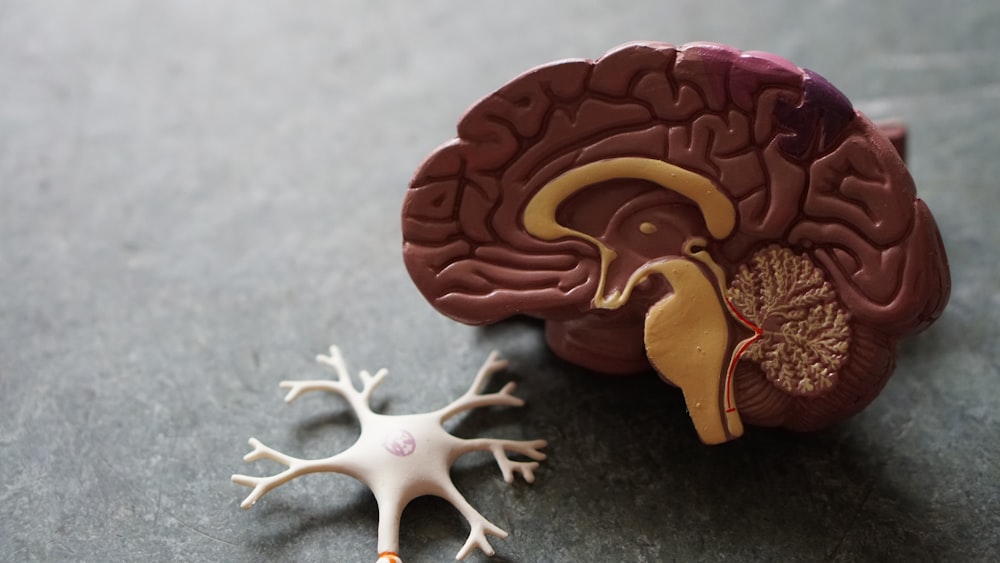
Physiotherapists are movement specialists. Whether it's a footballer with a torn hamstring, a stroke patient learning to walk again, or someone managing chronic back pain — physios design treatment plans that get people back to doing the things they love. The profession spans sport, hospitals, aged care, and everything in between.
Assessing injuries and movement patterns, delivering hands-on manual therapy, designing exercise programmes, working with elite athletes or post-surgery patients, and educating people on long-term body management.
- Love of anatomy and movement
- Hands-on and practical ability
- Problem-solving and clinical reasoning
- Motivating and coaching others
- Empathy and patience
- Biology
- Physical Education
- Health & Human Development
- Chemistry
- Physics
- Sports clubs and elite sport
- Hospitals and rehabilitation
- Private practice
- Aged care and community health
Occupational therapists help people of all ages participate in the activities that give life meaning — from self-care and school to work, hobbies, and social connection. They work with people who have disabilities, injuries, or conditions affecting daily functioning, and find creative, personalised solutions to help them thrive. OT is one of the fastest-growing allied health professions in Australia.
Visiting a child's school to help them engage in learning, recommending adaptive equipment for a person with disability, supporting someone returning to work after injury, or helping an elderly person stay safely at home.
- Creative problem-solving
- Empathy and person-centred thinking
- Understanding of disability and development
- Communication and advocacy
- Practical and hands-on ability
- Health & Human Development
- Psychology
- Biology
- Art / Design (creative thinking)
- English
- NDIS and disability services
- Schools and paediatric settings
- Hospitals and rehabilitation
- Aged care and community health
Speech pathologists work with people who have difficulty communicating or swallowing — whether that's a toddler who's late to talk, a child with autism, someone who's had a stroke, or an elderly person who struggles to eat safely. It's one of the most varied and emotionally rewarding careers in health, combining language science, neurology, and genuine human connection.
Running therapy with children learning to speak, working with adults post-stroke to regain language, assessing swallowing difficulties, consulting with teachers and families, and celebrating breakthroughs that mean everything to clients.
- Fascination with language and communication
- Patience and creativity in therapy
- Strong listening and observation
- Empathy and relationship-building
- Analytical thinking
- English / English Language
- Biology
- Psychology
- Health & Human Development
- A second language (bonus!)
- Schools and early childhood
- Hospitals and rehabilitation
- Private practice
- Disability and aged care

Exercise scientists study how the body responds to physical activity and design evidence-based programmes for everything from elite sport to chronic disease management. An Accredited Exercise Physiologist (AEP) is a clinical specialist who uses exercise as medicine for people with heart disease, diabetes, cancer, and disability. It's one of the most versatile health careers available.
Designing training programmes for athletes, prescribing exercise for someone with type 2 diabetes, conducting fitness testing, running group rehabilitation classes, or working in a hospital exercise physiology department.
- Passion for sport and movement
- Understanding of physiology and anatomy
- Motivating and coaching others
- Data analysis and programme design
- Empathy for people with health challenges
- Physical Education
- Biology
- Health & Human Development
- Maths
- Chemistry
- Elite sports and performance centres
- Hospitals and rehabilitation
- NDIS and disability services
- Community health and gyms
Mind & Wellbeing

Psychologists are experts in human behaviour, emotion, and thinking. They work with people to help them understand themselves better, build resilience, and reach their potential. Psychology spans clinical, educational, forensic, organisational, and research settings — it's one of the most in-demand and fastest-growing health professions in Australia, and one of the most intellectually fascinating.
Conducting one-on-one sessions with clients, administering assessments, developing personalised strategies, writing reports, consulting with other health professionals, and staying current with research in the field.
- Deep empathy and active listening
- Curiosity about human behaviour
- Analytical and critical thinking
- Clear written and verbal communication
- Patience and emotional intelligence
- Psychology
- Biology
- Health & Human Development
- English
- Maths / Research Methods
- Private practice
- Schools and universities
- Hospitals and rehabilitation
- Sports organisations and research

Health social workers support people through complex life situations — navigating a serious diagnosis, housing crises, family challenges, or accessing services. Social work sits at the intersection of health, community, and social justice, and is deeply embedded in hospitals and community health settings across Australia.
Planning a safe discharge from hospital, connecting a family with emergency support, advocating for a child's needs at school, running a support group, and consulting with medical teams on the social factors affecting a patient's recovery.
- Deep empathy and social awareness
- Advocacy and systems navigation
- Strong communication and listening
- Resilience in complex situations
- Understanding of social justice
- Psychology
- Health & Human Development
- Legal Studies / Sociology
- English
- History or Global Politics
- Hospitals and health services
- Child protection and family services
- Community organisations and NGOs
- Schools and mental health services

Art therapists use creative art-making within a therapeutic relationship to support emotional, psychological, and social wellbeing. It's not about creating great art — it's about using the creative process as a language when words aren't enough. Art therapists work with people experiencing trauma, grief, disability, and serious illness across a wide range of clinical settings.
Running individual and group art therapy sessions, observing and interpreting what clients express through their art, writing clinical notes, collaborating with other health professionals, and creating a safe, creative space where people can open up and heal.
- Passion for both art and people
- Empathy and trauma-informed approach
- Creative thinking and facilitation
- Observation and reflective listening
- Clinical knowledge of psychology
- Visual Art / Studio Art
- Psychology
- Health & Human Development
- English
- Art History
- Hospitals and palliative care
- Schools and youth services
- Disability and aged care
- Private practice

Music therapists use music intentionally and scientifically to support therapeutic goals. They're not teaching music — they're using it to address physical, emotional, cognitive, and social needs. The effects of music on the brain are profound, and music therapists harness that science to help people with neurological conditions, dementia, autism, chronic illness, and more.
Running a session with a person with dementia who lights up recognising a favourite song; improvising music with a child with autism to build communication; leading a group drumming session in a rehabilitation ward.
- Strong musicianship — voice and/or instruments
- Deep empathy and therapeutic presence
- Improvisation and adaptability
- Interest in neuroscience and psychology
- Creativity and clinical knowledge
- Music (essential)
- Psychology
- Biology
- Health & Human Development
- English
- Hospitals and aged care
- Schools and disability services
- Palliative care
- Private practice
Diagnostics & Science
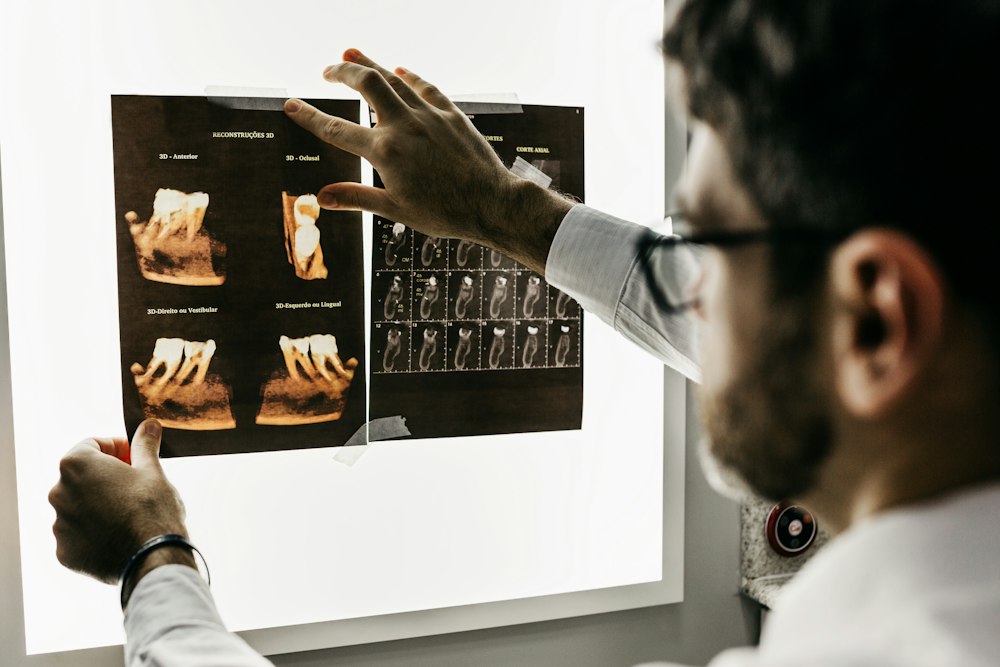
Diagnostic radiographers produce medical images — X-rays, CT scans, MRIs — that help doctors diagnose everything from broken bones to tumours. It's a career that blends science, technology, and patient care in equal measure. If you love tech and science but also want to work with people, diagnostic radiography is a powerful combination that makes a real difference every single day.
Operating sophisticated imaging equipment, positioning patients for scans, ensuring image quality for accurate diagnosis, applying radiation safety protocols, and being a calm presence for patients who may be anxious or unwell.
- Interest in science and technology
- Attention to detail
- Calm patient communication
- Understanding of anatomy
- Analytical thinking
- Physics
- Biology
- Chemistry
- Maths
- English
- Hospitals and imaging centres
- Private radiology practices
- Emergency departments
- Research and teaching hospitals
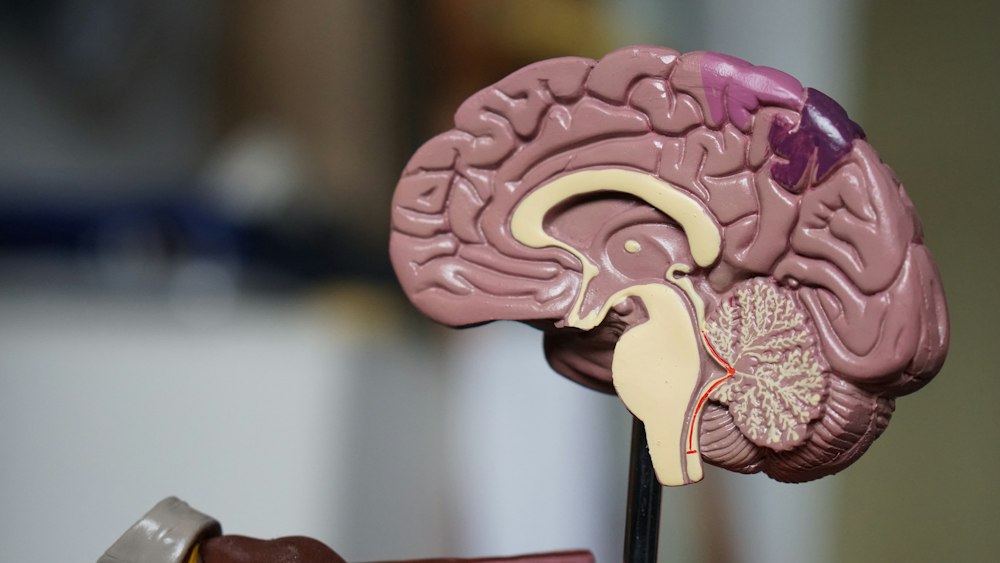
Sonographers use ultrasound technology to create real-time images of organs, tissues, and blood flow. They work across obstetrics (pregnancy imaging), cardiac (heart), vascular, and general abdominal imaging. It requires excellent hand-eye coordination, deep anatomical knowledge, and a calm presence with patients — including some of medicine's most magical moments.
Performing pregnancy scans, imaging someone's heart to check for disease, assessing blood flow in vessels, reviewing findings with referring clinicians, and explaining results to nervous patients in a reassuring way.
- Hand-eye coordination
- Strong anatomy knowledge
- Calm patient communication
- Attention to detail
- Technical problem-solving
- Biology
- Physics
- Chemistry
- Maths
- Health & Human Development
- Hospitals and imaging clinics
- Obstetric and fertility clinics
- Cardiac units
- Vascular and musculoskeletal clinics
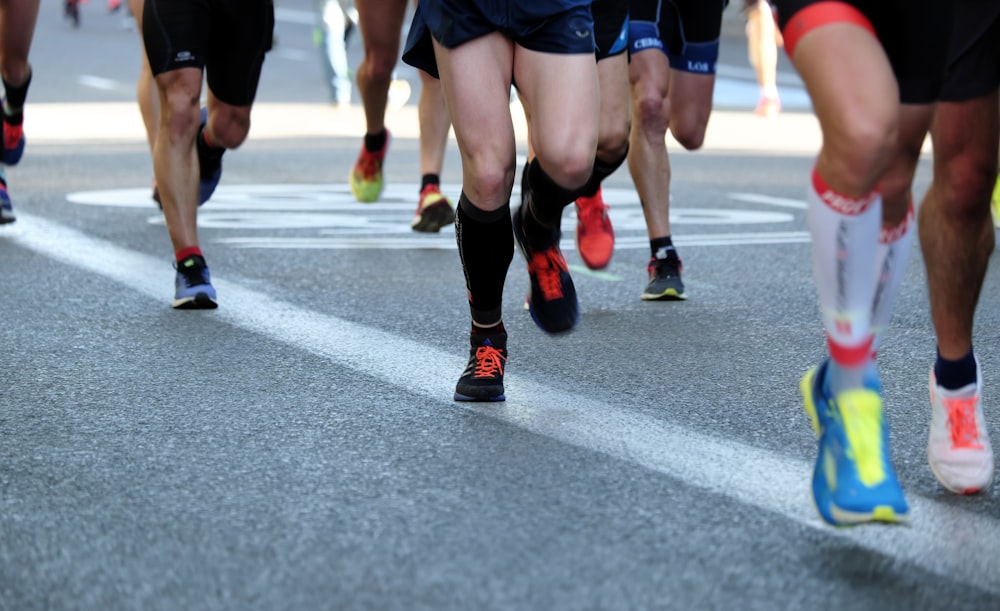
Audiologists are experts in hearing and balance — from newborns screened at birth, to children struggling at school, to adults with age-related hearing loss. They fit and programme hearing aids, support cochlear implant recipients, and help people with tinnitus and balance disorders. It's a career combining technology, neuroscience, and life-changing patient care.
Conducting a newborn hearing screening, fitting a first hearing aid for an older adult, adjusting cochlear implant settings, helping a child with auditory processing difficulties, and explaining a hearing test result to a worried parent.
- Fascination with sound and the brain
- Patience and empathy
- Technical aptitude for hearing devices
- Clear communication
- Analytical and diagnostic thinking
- Physics (acoustics)
- Biology
- Psychology
- Maths
- English
- Private audiology clinics
- Hospitals and cochlear implant centres
- Schools and paediatric settings
- Industrial hearing conservation
Orthoptists specialise in disorders of eye movement and binocular vision — how both eyes work as a team. They assess and treat conditions like strabismus (eye turn), amblyopia (lazy eye), and double vision, often in children and in people with neurological conditions. It's a niche but highly specialised and deeply rewarding career at the intersection of vision science and neurology.
Assessing a young child's eye alignment, designing a patching programme for a lazy eye, working with a stroke patient experiencing double vision, and watching a child's vision dramatically improve over months of treatment.
- Interest in the visual system and neuroscience
- Patience with children and complex cases
- Precision and clinical observation
- Analytical problem-solving
- Communication and parent education
- Biology
- Physics
- Psychology
- Chemistry
- Maths
- Ophthalmology clinics and hospitals
- Children's eye clinics
- Neurological rehabilitation
- Low vision services
Medicines & Specialist Care

Pharmacists are the medicines experts of the health system. They don't just dispense prescriptions — they check for dangerous drug interactions, counsel patients on safe medication use, advise doctors and nurses on the best treatment options, and play a crucial role in patient safety. Pharmacy combines deep science knowledge with genuine patient care.
Dispensing and checking prescriptions, counselling patients on new medications, reviewing complex medication regimens for elderly patients, working with doctors on hospital ward rounds, or developing new medicines in a research lab.
- Love of chemistry and science
- Extreme attention to detail
- Clear patient communication
- Analytical thinking
- Ethical decision-making
- Chemistry (essential)
- Biology
- Maths
- Physics
- English
- Community pharmacies
- Hospital clinical pharmacy
- Pharmaceutical industry and research
- Aged care and oncology
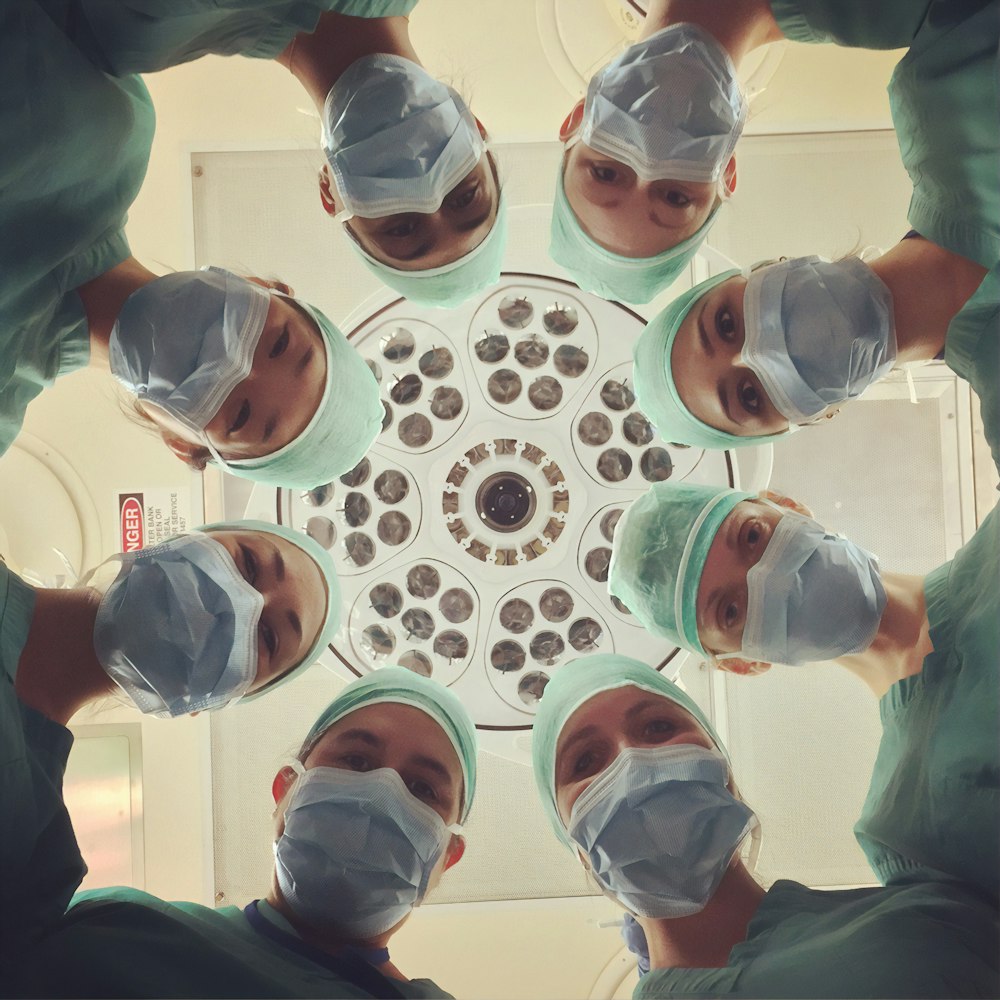
Optometrists are primary eye care providers in Australia. They test vision, prescribe glasses and contact lenses, and examine the health of the eye — including detecting early signs of serious conditions like diabetes, high blood pressure, and glaucoma. It's a profession where precision, science, and genuine patient connection come together beautifully.
Performing comprehensive eye examinations, prescribing lenses, detecting and managing eye conditions, referring patients to eye specialists, and helping children see clearly enough to thrive at school.
- Scientific and analytical thinking
- Precision and attention to detail
- Patient communication
- Interest in optics and technology
- Problem-solving
- Physics (especially optics)
- Biology
- Chemistry
- Maths
- English
- Private optometry practice
- Hospital eye clinics
- Community and Indigenous health
- Research and academia

Dietitians are the most highly trained nutrition professionals in healthcare. They use evidence-based nutritional science to help individuals manage conditions like diabetes, heart disease, gut disorders, and sports recovery. Dietitians work across clinical, community, research, and food industry settings — if you love food and science and want to help people live healthier lives, dietetics is hard to beat.
Counselling a person with diabetes on managing blood sugar through food, designing meal plans for hospital patients, running community nutrition education sessions, or developing new food products in industry.
- Passion for food, science, and health
- Evidence-based thinking
- Empathy and behaviour change skills
- Communication and counselling
- Interest in biochemistry and physiology
- Biology
- Chemistry
- Food Technology / Food Studies
- Health & Human Development
- Maths
- Hospitals — clinical dietetics
- Private practice
- Community health and aged care
- Sports, research, and food industry
Hands-On & Specialist
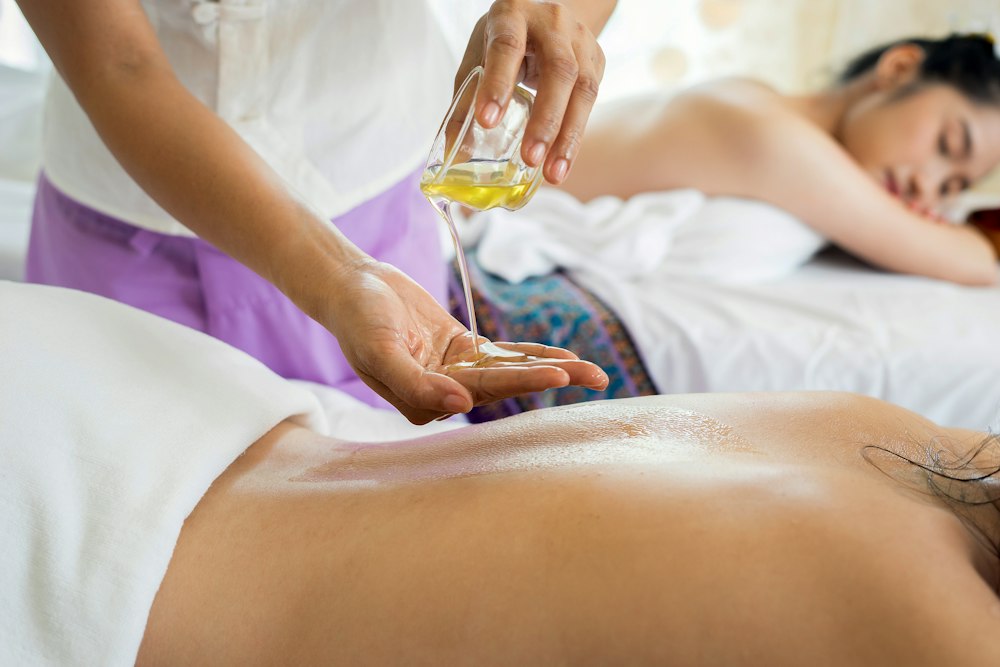
Podiatrists specialise in the foot, ankle, and lower limb — treating everything from ingrown toenails and plantar fasciitis to complex diabetic foot complications and sports injuries. They combine clinical assessment, biomechanical analysis, and hands-on procedural skills. Podiatric surgeons can perform surgical interventions on the foot and ankle.
Treating a runner's painful heel, removing an ingrown toenail, checking and dressing the feet of a person with diabetes, designing custom orthotics, and analysing someone's gait on a treadmill to understand why they keep getting injured.
- Interest in anatomy and biomechanics
- Manual dexterity and procedural skill
- Empathy especially for elderly patients
- Problem-solving and diagnostic thinking
- Attention to detail
- Biology
- Physical Education
- Chemistry
- Health & Human Development
- Physics
- Private podiatry practice
- Hospitals and diabetes clinics
- Sports medicine
- Aged care and community health

Osteopathy is a registered health profession that treats the whole body as one connected system. Osteopaths use manual therapy — soft tissue work, joint mobilisation, stretching, and manipulation — to treat pain, improve mobility, and support the body's ability to heal itself. It's one of the fastest-growing allied health professions in Australia.
Taking a full health history, assessing posture and movement, delivering hands-on treatment for back pain, prescribing home exercises, and seeing patients improve week after week through a combination of care and lifestyle advice.
- Interest in anatomy and the whole body
- Skilled hands and manual sensitivity
- Holistic and open-minded thinking
- Empathy and patient communication
- Clinical reasoning
- Biology
- Physical Education
- Chemistry
- Physics
- Health & Human Development
- Private osteopathy practice
- Multidisciplinary health clinics
- Sports medicine
- Women's health and paediatrics
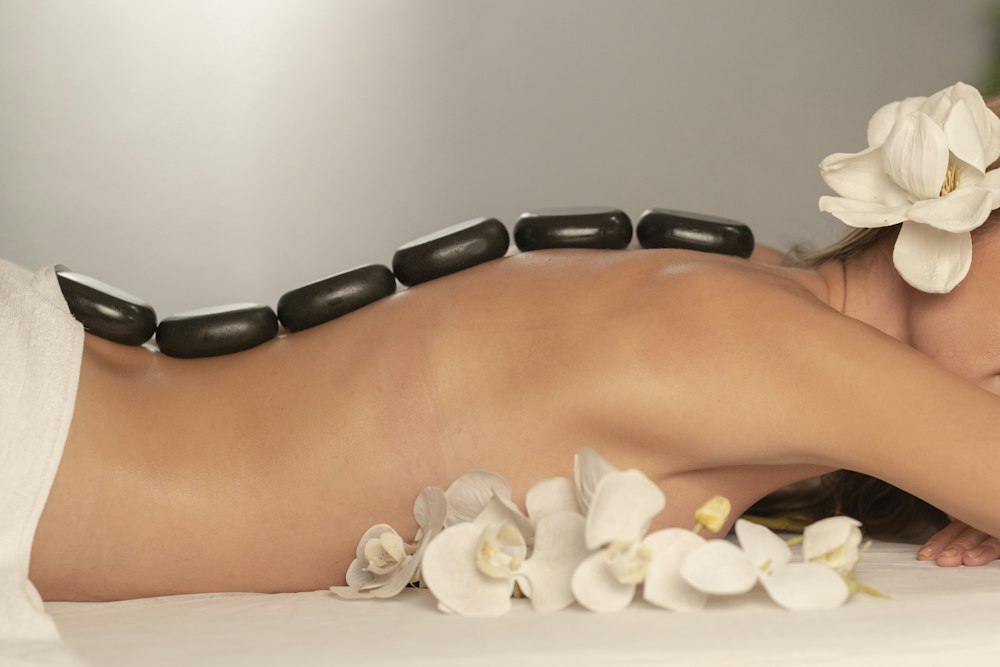
Chiropractors are registered health professionals who specialise in diagnosing and treating conditions affecting the spine, joints, and musculoskeletal system. Using manual therapy techniques including spinal adjustments, soft tissue work, and rehabilitation advice, chiropractors help people manage pain and improve mobility — without surgery or medication.
Taking patient histories, performing physical examinations, applying spinal adjustments and manual therapy, designing personalised exercise plans, and watching patients recover from pain that has held them back for years.
- Interest in anatomy and biomechanics
- Manual dexterity and physical skill
- Clinical reasoning
- Strong patient communication
- Empathy and care
- Biology
- Physical Education
- Physics
- Chemistry
- Health & Human Development
- Private chiropractic practice
- Multidisciplinary clinics
- Sports medicine
- Occupational health
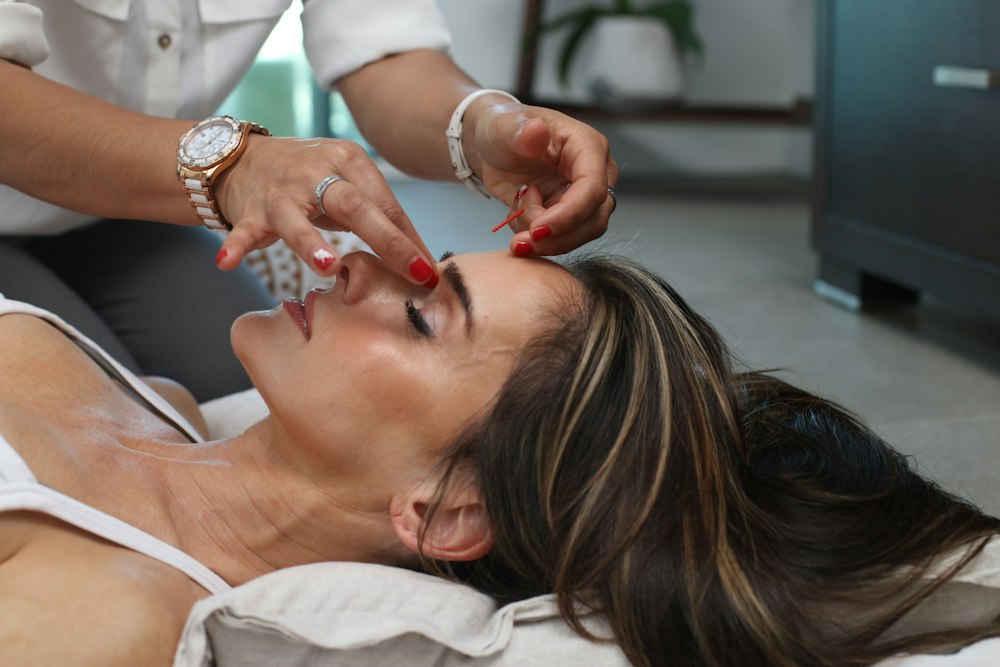
Chinese medicine is a registered, university-trained health profession in Australia. Practitioners use acupuncture, herbal medicine, dietary advice, and massage (Tui Na) to help people manage pain, stress, fertility issues, digestive problems, and more. It's a holistic approach that looks at the whole person — not just the symptom — and is increasingly practised alongside conventional medicine.
Taking detailed health histories, examining the tongue and pulse, performing acupuncture treatments, prescribing herbal formulas, discussing diet and lifestyle, and working with patients over time to address root causes of their health issues.
- Holistic and open-minded thinking
- Interest in traditional health systems
- Empathy and patient-centred care
- Knowledge of anatomy and physiology
- Cultural curiosity
- Biology
- Health & Human Development
- Psychology
- Chemistry
- History or Studies of Religion
- Private practice
- Integrative health clinics
- Fertility and women's health
- Sports and pain management clinics
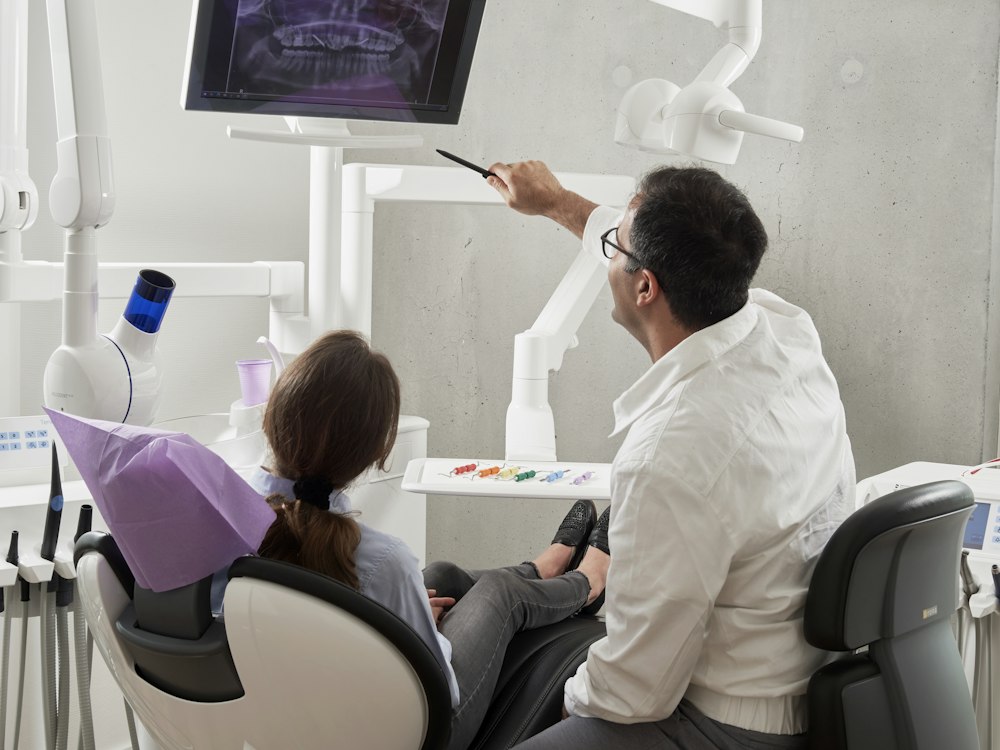
Oral health therapists, dental hygienists, and dental therapists are allied health professionals focused on preventing and treating oral disease. They perform dental cleanings, gum disease treatment, fluoride applications, sealants, and patient education — playing a huge role in reducing oral disease, especially in schools and underserved communities. It's distinct from being a dentist but just as impactful.
Performing professional dental cleans, applying preventive treatments, educating patients on oral hygiene, visiting school dental programs, detecting early signs of gum disease, and contributing to the oral health of entire communities.
- Manual dexterity and precision
- Patient communication and education
- Interest in preventive health
- Empathy, especially with anxious patients
- Attention to detail
- Biology
- Chemistry
- Health & Human Development
- English
- Psychology
- Private dental practices
- Community and school dental programs
- Aged care and disability
- Indigenous health services
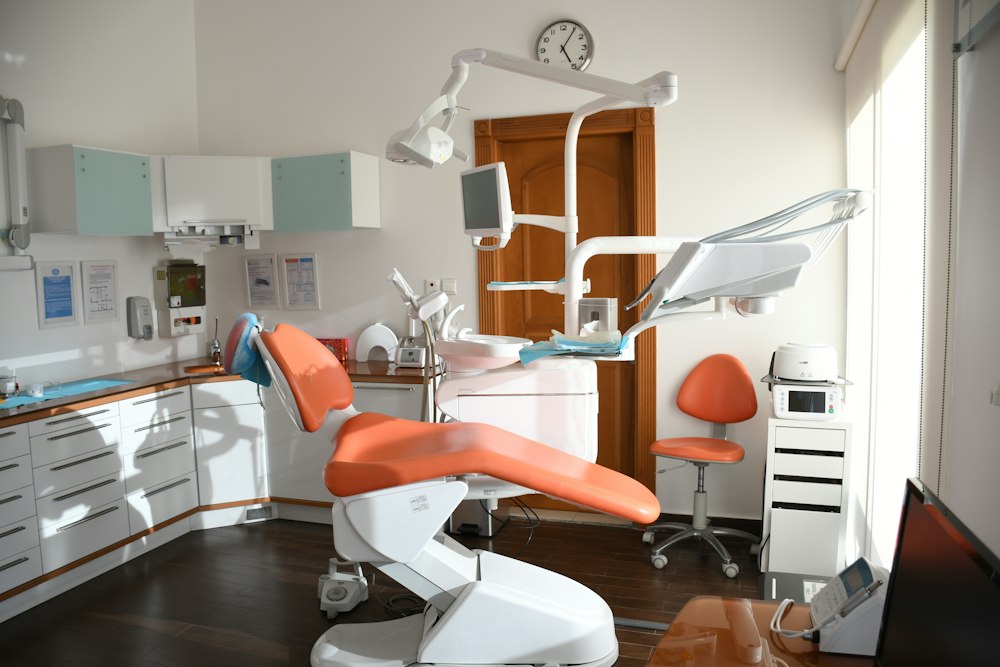
Orthodontists are dental specialists who correct misaligned teeth and jaws using braces, clear aligners, retainers, and other appliances. They complete a general dental degree followed by specialist postgraduate training. Beyond aesthetics, orthodontic treatment improves how someone speaks, eats, and maintains oral health long-term. It's a specialty that combines science, engineering precision, and the joy of watching someone's confidence transform.
Assessing jaw and tooth development, fitting brackets and wires, monitoring treatment progress, adjusting aligners, and eventually removing braces to reveal a smile that changes how someone feels about themselves.
- Precision and manual dexterity
- Eye for aesthetics and facial balance
- Clinical reasoning and treatment planning
- Strong patient communication
- Long-term relationship building
- Biology
- Chemistry (essential)
- Physics
- Maths
- English
- Specialist orthodontic practice
- Hospital dental departments
- Cleft palate and craniofacial teams
- Academic and research institutions
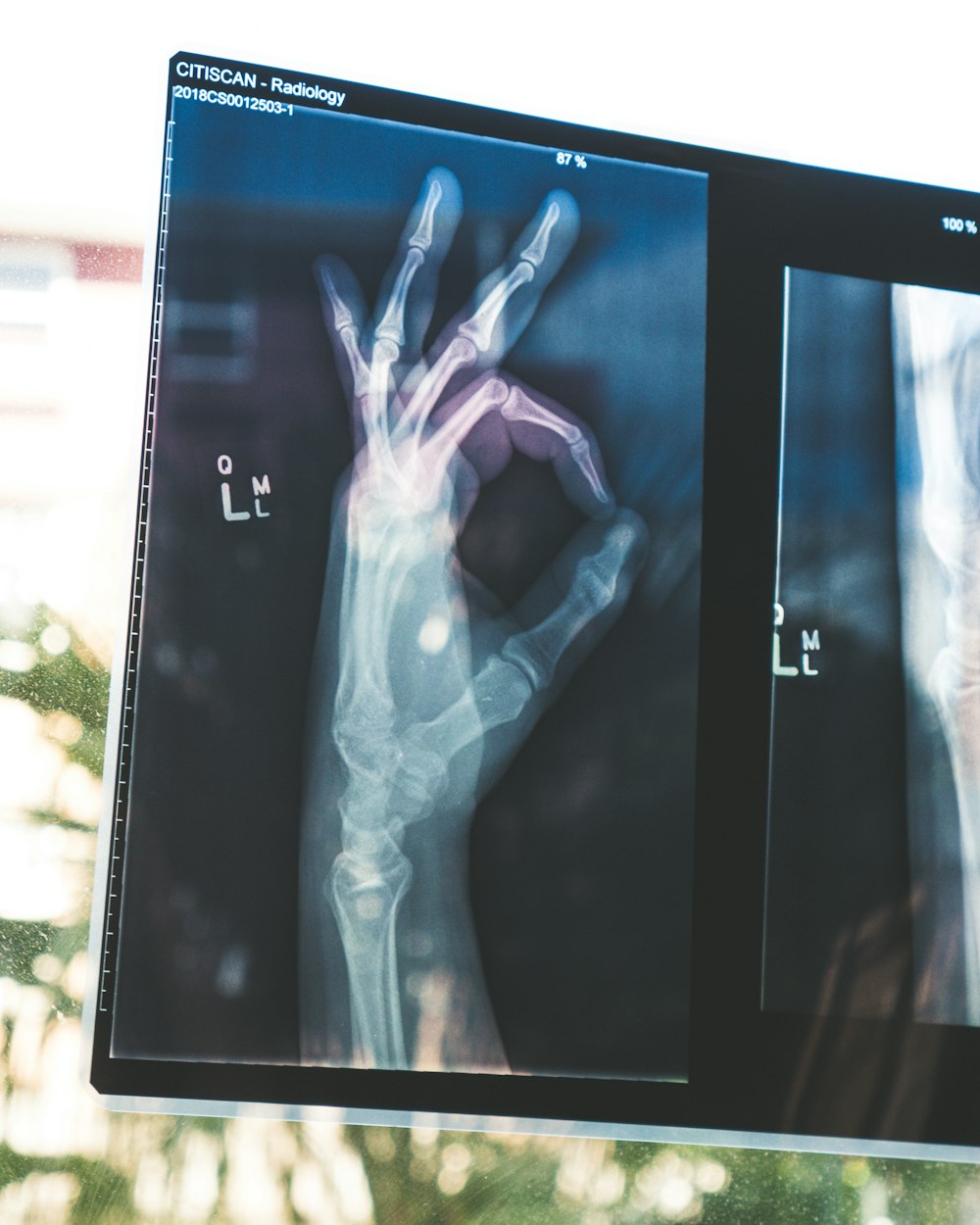
Orthotists and prosthetists design, build, and fit devices that support or replace the function of limbs and body parts. Orthotists create braces, splints, and supports for people with scoliosis, cerebral palsy, or sports injuries. Prosthetists design and fit artificial limbs for people after amputation. It's one of the most technically creative roles in all of healthcare.
Taking measurements and casts to create a custom prosthetic limb, fitting a new ankle brace, adjusting a child's scoliosis brace as they grow, and collaborating with physios and surgeons on complex rehabilitation cases.
- Interest in engineering and design
- Manual dexterity and technical skill
- Problem-solving and innovation
- Empathy and patient-centred thinking
- Knowledge of biomechanics
- Physics
- Biology
- Design & Technology
- Maths
- Engineering / Materials Science
- Hospitals and rehabilitation centres
- Private O&P clinics
- Veterans' health services
- Elite sport and research