Your future
in engineering.
Discover 12 incredible engineering streams for people who want to build, innovate, and shape the world.

So you want to
build something?
Have you ever looked at a bridge, a smartphone, a rollercoaster or even the human body and wondered, how does that actually work? Or maybe you are the type of person who loves solving problems, improving the way things are done, or creating something that did not exist yesterday.
If that sounds like you, engineering might be exactly where you belong.
Engineering is one of the most exciting, diverse and future-focused career fields in Australia and around the world. Engineers do not just build bridges and skyscrapers. They develop life-saving medical technology, design renewable energy systems, create smarter cities, build spacecraft, improve sporting equipment, develop artificial intelligence and solve some of the world's biggest challenges.
The best part? There is not just one type of engineer.
Whether you love maths, science, technology, creativity, design, the environment, health or hands-on problem solving, there is likely an engineering pathway that fits your strengths and interests.
This guide will introduce you to 12 different engineering streams. Some focus on the physical world. Others shape our digital future. Some protect our environment, while others transform healthcare and medicine. Every one of them offers the opportunity to make a real difference.
Skills the World Needs Right Now
The World Economic Forum Future of Jobs report identifies the skills most in demand over the next decade. Engineering develops almost all of them.
Every suggestion below maps to a category in your LEAVERS Passport. As you explore these pathways, you are already building the experiences, skills, and stories that will carry you forward.
How to use this guide
Infrastructure and the Built Environment

Civil engineers design, build, and maintain the infrastructure that holds society together. Roads, bridges, tunnels, dams, water systems, and cities. If you have ever crossed a bridge, used a tap, or driven on a highway, a civil engineer made it possible.
Designing a structural system for a new bridge, reviewing site conditions for a water treatment plant, collaborating with architects on a major urban development, running calculations to ensure a retaining wall can handle its load, and visiting a construction site to check progress against plans.
- Analytical and mathematical reasoning
- Structural and systems thinking
- Project management and attention to detail
- Collaboration with architects, builders, and planners
- Environmental awareness and sustainability thinking
- Communication of technical concepts to non-engineers
- Mathematics
- Physics
- Engineering
- Chemistry
- English
- Infrastructure and transport authorities
- Construction and engineering firms
- Local and state government
- Environmental consulting
- Urban planning and development
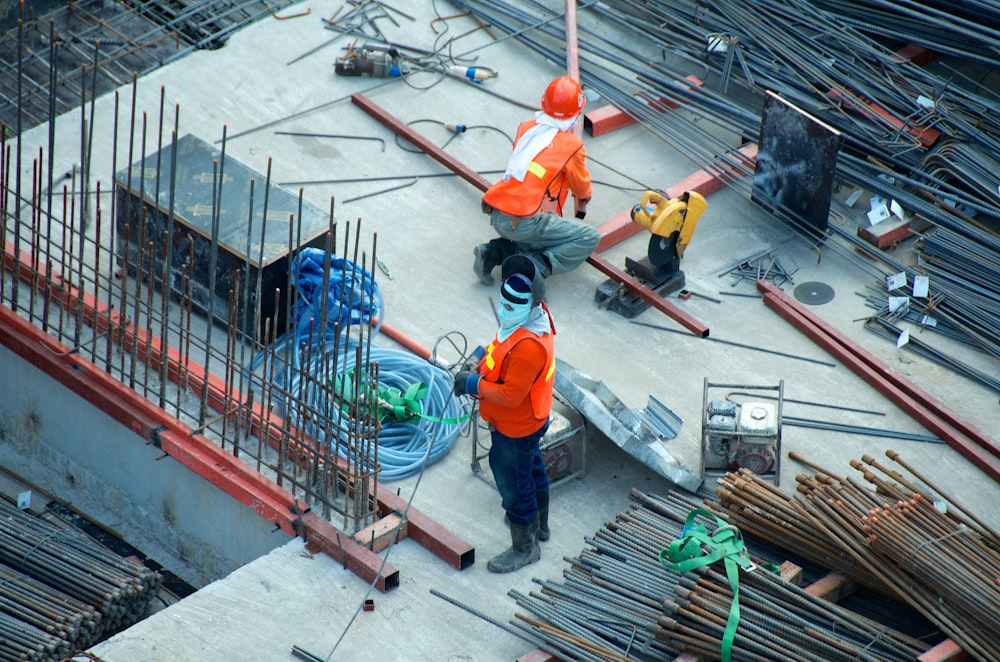
Structural engineers ensure that buildings, bridges, stadiums, and towers stand safely under the forces of gravity, wind, earthquakes, and human use. Every major structure you have ever been inside was checked by a structural engineer. It is a profession that carries enormous responsibility and produces tangible, lasting results.
Analysing the load-bearing capacity of a building frame, designing the foundation system for a high-rise tower, reviewing construction drawings for structural compliance, visiting a site during a critical concrete pour, and consulting with architects when design changes affect structural requirements.
- Strong mathematical and analytical reasoning
- Spatial and structural visualisation
- Meticulous attention to safety and codes
- Collaboration with architects and builders
- Computer-aided analysis and modelling
- Calm decision-making under pressure
- Mathematics
- Physics
- Engineering
- Design and Technology
- Structural engineering consultancies
- Construction and development companies
- Government infrastructure departments
- Disaster resilience and emergency engineering
- Research and innovation in materials
Machines, Systems and Power

Mechanical engineers design and build the machines, engines, and systems that power the modern world. From cars and aircraft to medical devices and robotics, mechanical engineering is one of the broadest and most versatile engineering disciplines.
Designing a new component for a turbine engine, running computer simulations to test how a machine will perform under stress, collaborating with electrical engineers on a robotic system, analysing why a product failed in testing, and prototyping a new design using 3D printing.
- Strong understanding of physics and mechanics
- Creative design and problem-solving
- Proficiency with CAD and simulation software
- Attention to precision and tolerances
- Collaboration across engineering disciplines
- Analytical and mathematical reasoning
- Mathematics
- Physics
- Engineering
- Design and Technology
- Chemistry
- Aerospace and defence
- Automotive and transport
- Manufacturing and robotics
- Renewable energy systems
- Medical device design

Electrical engineers design and develop the electrical systems and technologies that power everything from homes and hospitals to telecommunications networks and electric vehicles. It is one of the most foundational and in-demand engineering streams in the world.
Designing a power distribution system for a new building, troubleshooting a fault in a telecommunications network, developing control systems for an industrial plant, working on the electrical architecture of an electric vehicle, and testing a circuit prototype in a lab.
- Strong mathematical and analytical ability
- Understanding of electrical theory and circuits
- Problem diagnosis and systems thinking
- Proficiency with simulation and modelling tools
- Attention to safety and precision
- Collaboration with mechanical and software engineers
- Mathematics
- Physics
- Engineering
- Design and Technology
- Energy and utilities
- Telecommunications and networks
- Defence and aerospace
- Electric vehicles and transport
- Automation and robotics

Telecommunications engineers design and build the networks, systems, and technologies that keep the world connected. Mobile networks, the internet, satellite communications, and emerging technologies like 5G all depend on these engineers. In a world that runs on connectivity, this field has never been more essential.
Designing the coverage plan for a new 5G network tower, troubleshooting signal interference in a mobile network, developing protocols for more efficient data transmission, collaborating with software teams on network management tools, and testing the performance of a new wireless system in the field.
- Strong mathematical and signal processing ability
- Understanding of wave physics and electromagnetism
- Systems thinking across complex networks
- Problem diagnosis and analytical rigour
- Collaboration with software and hardware teams
- Curiosity about emerging communication technologies
- Mathematics
- Physics
- Engineering
- Design and Technology
- Telecommunications companies
- Defence and intelligence
- Satellite and space communications
- Internet service providers
- Emerging tech and 5G development
Digital and Computing

Software engineers and computer scientists design the digital systems, applications, and artificial intelligence tools that are reshaping every industry on earth. From apps and games to cybersecurity and machine learning, this is one of the most dynamic and impactful fields a student can enter.
Writing and testing code for a new application feature, debugging a system that has stopped working, collaborating with a design team on a user interface, training a machine learning model on a dataset, attending a sprint planning meeting, and deploying code to a live system.
- Logical and computational thinking
- Programming and problem decomposition
- Attention to detail and systematic testing
- Collaboration in agile development teams
- Curiosity and willingness to learn continuously
- Creative thinking for user-centred design
- Mathematics
- Engineering
- Physics
- English
- Technology companies and startups
- Cybersecurity and defence
- Health technology and AI
- Finance and fintech
- Game development and creative industries
Health and Science

Biomedical engineers sit at the intersection of engineering and medicine, designing the technologies that save and improve lives. Think prosthetic limbs, MRI machines, cochlear implants, heart valves, and AI diagnostic tools. If you love both science and health, this is a uniquely powerful field.
Designing a new medical device prototype, testing how a biomaterial interacts with human tissue, collaborating with clinicians to understand what patients actually need, running simulations of blood flow through a heart valve, and presenting research findings to a multidisciplinary team.
- Integration of engineering and biological knowledge
- Creative design for human-centred problems
- Research and evidence-based analysis
- Collaboration with health and engineering professionals
- Precision and attention to safety standards
- Ethical thinking around medical technologies
- Mathematics
- Physics
- Biology
- Chemistry
- Engineering
- Medical device companies
- Hospitals and clinical research
- Biotechnology and pharmaceuticals
- Rehabilitation technology
- Artificial intelligence in health

Chemical engineers design and optimise the industrial processes that transform raw materials into the products society depends on. From pharmaceuticals, food, and fuels to plastics, textiles, and water treatment, chemical engineering is at the core of how the world is made.
Optimising a manufacturing process to reduce waste and energy use, designing a reactor for a new pharmaceutical product, troubleshooting a production issue at a chemical plant, modelling fluid dynamics through a pipeline, and assessing the environmental impact of an industrial process.
- Strong chemistry and mathematics ability
- Process and systems thinking
- Problem-solving under complex constraints
- Safety and environmental responsibility
- Data analysis and modelling
- Attention to scale from lab bench to industrial plant
- Chemistry
- Mathematics
- Physics
- Biology
- Engineering
- Pharmaceutical and food manufacturing
- Oil, gas, and energy
- Water treatment and environmental management
- Materials science and nanotechnology
- Sustainability and clean technology
Planet and Energy
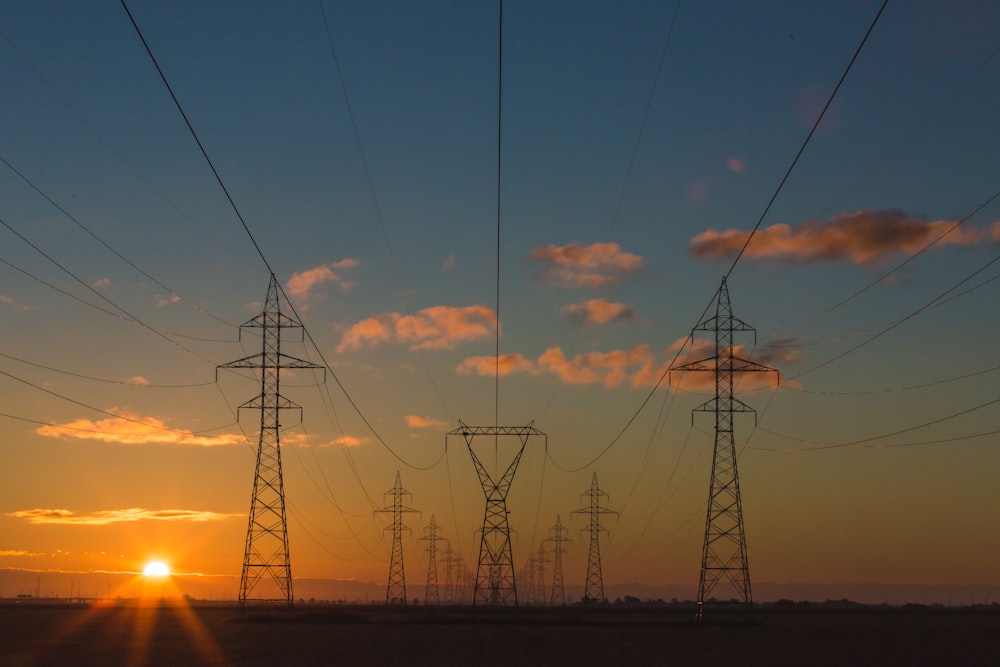
Environmental engineers design solutions to the planet's most pressing challenges. Pollution, climate change, waste management, clean water, and sustainable cities. This is engineering for people who want to leave the world better than they found it.
Modelling the spread of a groundwater contaminant, designing a stormwater treatment system for a new suburb, assessing the environmental impact of a proposed development, collaborating with ecologists on a habitat restoration project, and presenting findings to a government environmental authority.
- Passion for environmental sustainability
- Systems thinking across ecological and human systems
- Data collection, analysis, and modelling
- Regulatory and policy knowledge
- Collaboration with scientists, planners, and communities
- Communication of complex environmental data
- Chemistry
- Biology
- Mathematics
- Physics
- Engineering
- Environmental consulting firms
- Government environment agencies
- Water and waste management authorities
- Mining and resource companies
- Renewable energy and sustainability sector
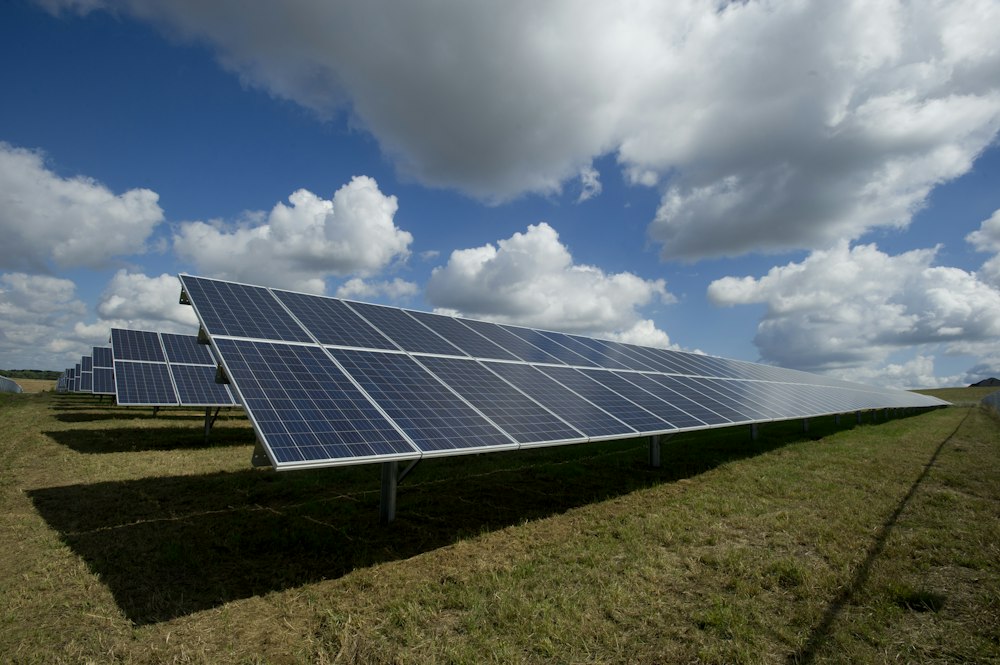
Renewable energy engineers are building the clean energy systems the world urgently needs. Solar, wind, hydrogen, battery storage, and smart grids. Australia is one of the best-placed countries in the world to lead the global energy transition, and this profession is at the front of that mission.
Designing the layout of a large-scale solar farm, modelling the output of a wind energy system under different weather conditions, developing battery storage solutions for a remote community, analysing grid integration challenges for a new renewable project, and presenting clean energy proposals to government.
- Passion for sustainability and clean technology
- Strong mathematics and physics understanding
- Systems thinking across energy, grid, and environment
- Data analysis and energy modelling
- Creative problem-solving for complex energy challenges
- Collaboration with government, communities, and industry
- Mathematics
- Physics
- Chemistry
- Engineering
- Solar and wind energy companies
- Government energy agencies
- Grid and network operators
- Battery and storage technology
- International development and energy access
Frontier and Resources

Aerospace engineers design, develop, and test aircraft, spacecraft, satellites, and the propulsion systems that get them airborne. From commercial aviation and defence to space exploration and drone technology, this is engineering at its most breathtaking. Australia's growing space industry makes this an exceptionally exciting time to enter the field.
Running aerodynamic simulations on a new aircraft wing design, testing the structural integrity of a spacecraft component, working with a defence contractor on an unmanned aerial vehicle, collaborating with NASA or ESA partners on a satellite mission, and presenting design proposals to an aviation authority.
- Strong physics and mathematics foundation
- Advanced analytical and computational thinking
- Precision engineering and tolerance management
- Collaboration across large complex engineering teams
- Creative design within extreme technical constraints
- Curiosity and ambition to push the boundaries of what is possible
- Mathematics
- Physics
- Engineering
- Chemistry
- Design and Technology
- Commercial aviation and airline industry
- Defence and military systems
- Space agencies and satellite companies
- Drone and unmanned systems
- Research and academia

Mining engineers design and operate the systems that extract the minerals and resources the modern world runs on. Copper for electronics, lithium for batteries, iron for steel, gold for semiconductors. It is also a profession at the forefront of sustainable extraction, mine rehabilitation, and clean resource technology.
Designing a safe blasting plan for a new mine section, monitoring ground stability in an underground tunnel, optimising ore processing to maximise recovery and minimise waste, collaborating with environmental engineers on a mine rehabilitation plan, and using drones to survey a large open pit.
- Strong geology and earth science interest
- Risk assessment and safety management
- Problem-solving in remote and complex environments
- Environmental responsibility and sustainability focus
- Project management and logistics
- Data analysis and geospatial technology
- Mathematics
- Chemistry
- Physics
- Engineering
- Biology
- Mining companies and operations
- Resources and energy sector
- Environmental rehabilitation
- Geotechnical consulting
- Government resources departments